Quick answer
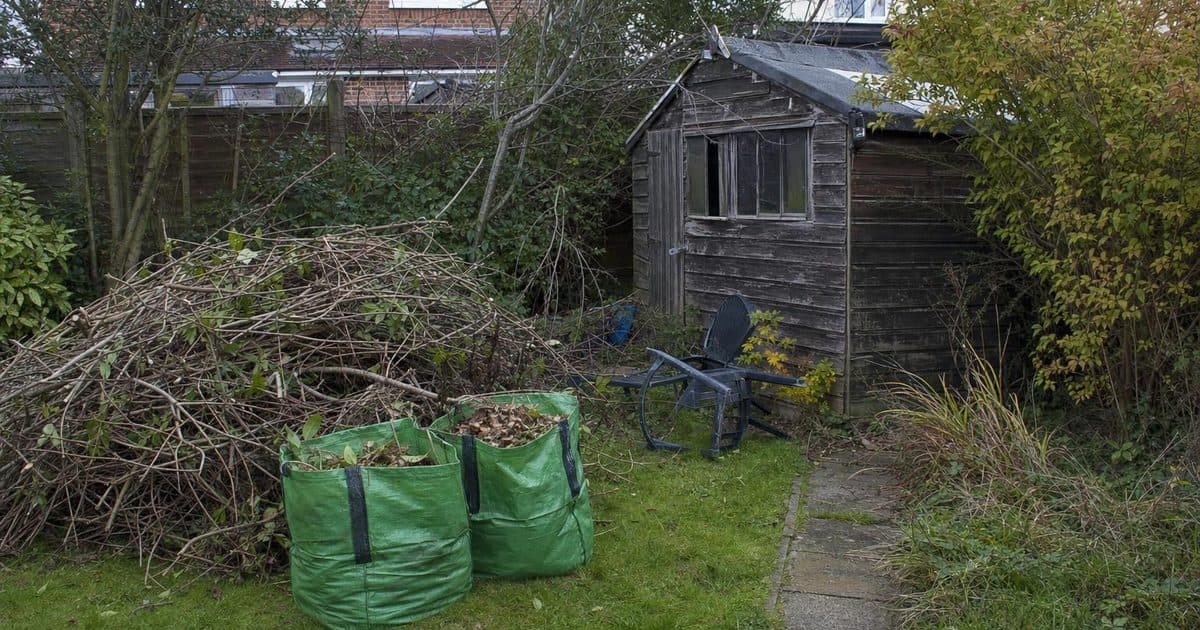
Start with obvious waste such as branches, leaves, broken planters and old garden furniture, then move on to larger items like sheds, fencing and soil bags. If the garden includes heavy debris or a damaged outbuilding, it may be worth combining the job with shed clearance or demolition to save time and trips.
Why it helps to sort the garden in the right order
When a garden has become cluttered, the easiest way to make progress is to work from the top layer down. That means removing loose waste first, then dealing with bulky items, and only then looking at what is left on the ground or against fences and walls. This approach makes the space safer to move around in and helps you see what still needs doing.
It also makes a clearance quote easier to estimate. If you can separate green waste, general rubbish and any large items before the job begins, the team can plan the right vehicle, labour and disposal route. For many Watford homes, that means less disruption and a tidier result in a shorter time.
Start with the easiest obvious waste
The best place to begin is anything that is light, loose and clearly ready to go. These items usually take up space, get in the way of access and make the garden look more neglected than it is.
Green waste and light clippings
Branches, hedge trimmings, grass cuttings, dead plants and leaf piles are usually the first things to clear. They are often the most visible clutter in an overgrown garden, and they can hide other rubbish underneath. If there is a lot of cut greenery, keep it separate from heavier mixed waste so it can be handled more efficiently.
Broken small items and loose rubbish
Next, gather broken pots, cracked trays, torn bags, old compost sacks, loose plastic, bent garden tools and other small bits of rubbish. These items may not look significant on their own, but they quickly fill bags and make it harder to move around the garden safely.
- Broken planters and pots
- Empty soil bags and compost sacks
- Loose packageing, string and netting
- Damaged plant supports and canes
- Old gloves, covers and general litter
Move on to bulky items and damaged structures
Once the loose waste is gone, the larger items are easier to assess. These are usually the things that need two people to move, take up the most room or may need dismantling before they can be taken away.
Old furniture, fencing and sheds
Broken garden tables, chairs, benches, fence panels and shed parts should be dealt with next. They often block access to the rest of the garden, especially in narrower Watford properties where storage space is limited. If a shed is rotten, unstable or already partially collapsed, it is sensible to plan the removal carefully before trying to shift anything by hand.
Soil, rubble and heavy garden materials
Heavy sacks of soil, paving offcuts, rubble, broken edging and old concrete can add up quickly. These items are best identified early because they affect loading and transport. If they are mixed in with normal green waste, separating them first will save time later and reduce the chance of sorting everything twice.
| What to clear first | Why it helps |
|---|---|
| Branches and leaves | They are easy to gather and quickly reveal the rest of the garden |
| Broken planters and loose rubbish | They make the space safer and easier to walk through |
| Garden furniture and fence panels | They free up access and reduce visual clutter |
| Soil bags and rubble | They are heavy, so it helps to plan them early |
Separate reusable, recyclable and general waste
Before everything is loaded, it is worth pausing to cheque whether any items can be reused, recycled or set aside. A clean, dry plant pot or a sturdy chair may still have value, while old timber, metal and some plastics may be better handled separately from mixed rubbish. This can make the clearance more organised and may reduce the amount of general waste.
If you are clearing a garden in stages, try making three simple groups: keep, recycle and remove. That way, you do not end up paying to dispose of items that could have been reused or stored elsewhere. It also makes the final sweep of the garden much easier.
When to combine garden work with specialist services
Some gardens need more than a standard tidy-up. If a shed is unsafe, a fence is collapsed or there is a structure that needs taking down before the rest of the garden can be cleared, it may be more efficient to combine the job with a related service. That can reduce repeat visits and avoid leaving half-finished debris behind.
For example, if the clearance involves a damaged shed or rotten timber that has to be dismantled, combining it with Shed Clearance or Shed Demolition can be a practical choice. If the job also includes heavy building debris or leftover hard landscaping materials, a wider service such as Rubbish Removal may be more suitable for the mixed load.
A simple clearance plan for Watford homes
A calm, step-by-step plan usually works best for local gardens, whether they are small back gardens, shared outdoor spaces or larger plots with long-term clutter. Start at the entrance and work towards the far end so access improves as you go. Remove loose greenery first, then bag up smaller rubbish, then deal with bulky items, and finally assess whether any structures need dismantling.
If you are preparing the property for renovation, letting or sale, a clear garden often makes the rest of the project feel more manageable. The aim is not to do everything at once, but to create a safe, open space where the remaining work is easy to see and plan.